
Jacob Matthews walked with a limp, he should be dead, he knows that fact all too well, but he is miraculously alive. That old beating heart pumps away regular as clockwork, as his good leg strides out almost athletically. The bullet he took is still lodged millimetres from his spinal cord, the surgeons could have removed it, so they said, but there was a dreadful caveat which laid out the possibility of permanent paralysis and even death in extreme circumstances. Jacob, however, instantaneously said ‘no’, it was fine where it was, ‘ain’t doing no harm.’ A simple man with basic needs, but he knew that death would come looking to walk its overdue path, sooner or later. So why give it opportunities, he surmised. It made no sense – not to Jacob Matthews anyway?
He wrote a will once, used the inside of a cigarette packet as it was all he had at the time, left everything he owned to the women in flat 54, as there was no-one else close to his heart. No family to speak of, distant or otherwise and loneliness, physical or mental, never bother him – it had become his only friend. And anyway, the only things he owned was some shabby moth-eaten furniture and three pounds in old notes hidden in a jam jar, not much to show for a man of thirty-four, but he didn’t care one jot, as she seemed like a nice lady. Life had always been hard, he survived the holocaust of world war two, the constant shelling, the crossfire of bullets, the bayonet charges and the endless months in the hell hole of a trench he had to call home. The only outlook in his line of sight, when his head peered above ground was mud and stinking pools of black ruddy water, ghost animals and birds eating the rotting corpses of the dead and the enemy, peering back at him down the barrel of their guns – and the nauseating stink of trench foot drifting up from sodden boots. Life couldn’t get much worse; it was a constant, like living the same day over and over again, the only change being the light and dark of the hours and the thunder that raged in his head.
He’d made the climb, through the thick slime of the trench wall after the first attack command was given, Maybe, just maybe he could make it, help win the war, save democracy. These thoughts swirled in his head, as he ran screaming across that muddy battlefield with hundreds of other war weary soldiers and was twenty yards into no-man’s land, when he felt the pain. It was indescribable, like nothing he’d felt before – stopped him dead in his tracks. Jacob stumbled, folded to his knees, thought he’d caught his foot on submerged barbed wire, a jutting stone in the mud or the stiffened frame of a half-decayed corpse. When the second bullet bit into his shoulder, the truth was all too obvious to his crippled mind. He was hit, floored by an unknown assailant, a person he would never meet, who had no beef or objection to his being alive. Jacob was just another pointless victim of war, a pawn in a game he had no control or direction over. His ultimate destination, following death, would be the doors of hell, of course. Perfect retribution, he guessed, for the elimination of life he had caused to countless members of the opposition – those faceless phantom warriors everyone called the enemy. Jacob laughed through the pain, the irony too evident, as he sat there in the silent waters of a black pool, drowning in his own imminent death. His clothes soaked, the stinking liquid covered half his torso, dark blood spreading like a river across the rest, down his arm and across his belly into a sea of red in his lap. An icy chill drifted over his dirty skin; he tried to stem the blood loss by sticking filthy fingers in the bullet holes. God it hurt, he cried out for help, for an end to the suffering, it was all too much to bear. The cold came up through the mud, a cloud of icy fingers touching every part of his flesh, that circled his exhausted body like a slowly constricting shroud. His breath came in short bursts, gasps punctuating the rancid air, eyes wide open against the grey skies, his mind drifted away to a distant place as life faded from his stricken soul. Then it all stopped and his lungs let out a sigh of release. Jacob could have sworn his last image, was a man on a ridge, in the distance, waving at him, moving closer through the sky with every second, but his eyes were suddenly filled with darkness.
Death came and went. It decided not to linger and Jacob found himself with a free passage back home, then several months of convalescence in a nice warm hospice and a clean bed. He grew to like it as the weeks passed and the clouds of confusion and pain faded away. The nurses were kind and considerate, the food more than palatable. Then an officer came from the army, told him he was of no further use to them, as a cripple, and could go home. Suddenly he was alone and roaming the streets with panic and fear he could not quantify, or control, constantly punching at the inside of his head. He hid in darkened rooms, stumbled and shuffled along, with his gammy leg, where there were no crowds and lived like he was the only man left alive on this ruined earth. The months slowly filtered away and he did not recover, would never recover from the terror and loathing of a past that clung to his skin like the stench of a gangrene limb.
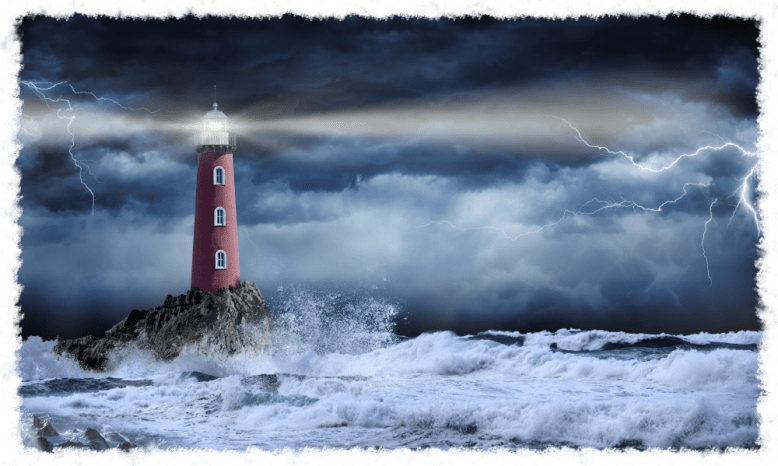
A chance meeting in a dark corner of the London Underground with a past acquaintance, opened up a dialogue with Jacob that both intrigued and excited him in equal measure. He was offered a solution, one he desperately needed – an escape – the perfect calling to the master of his solitude. He prayed all night as he sat alone and cold in the tiny desolate room he called sanctuary. Help me Lord, see me through this bitterness and hatred I have for the world, he said like a mantra, over and over again till his knees creaked on the bare boards of the floor and his voice ached from use. Three days later he received a knock at the door of his room confirming the new position. Was it his constant lobbying of God or just the chance meeting that had partially redeemed his soul, he wondered – only time would tell – but Jacob didn’t care, had no opinion either way, only vague joy somewhere in the bowels of his mental instability that this was good, a rare sign that maybe life had its bright side after all? With the contract signed and returned, he was instructed to make his way the following Monday, to Euston Station where a train ticket would be purchased to take him to Penzance. Then a short ride to Land’s End, where he would board a boat for the one and a quarter mile crossing to Longships Lighthouse, a thirty-five-metre granite tower built on an emerging shelf of rock in the wild and unpredictable Atlantic Ocean. Endless solitude, a self-imposed isolation and Jacob felt the warmth of a comforting arm around him like a blanket of the purest merino wool, when he walked the two hundred and twenty steps up that silent structure for the first time.
A year passed, then two and all was well in Jacob’s world, nothing bothered him, he had no contact with reality, once a month a boat approached with provisions that were left on a small jetty, when the tide was at its lowest. In his task to safeguard the passage of ships around the Cornish coast he made sure the light was bright and constant, oiled the machinery regularly and greased the cogs that turned the beacon every second, every hour of every day. Trinity House management never questioned his ability, they paid his salary into an account he never touched. The radio transmitter was forever dormant, communication across the airwaves non-existent and contact with the outside world, either by letter or in person did not exist. Jacob’s exile was total, all-consuming and permanent and he loved every moment of it. He regularly left a note on the jetty, when the boat arrived – all he ever requested from the people beyond the water was for paper, pencils, art materials and a cat. The kitten became known as Gratitude, it was the only thing in his simple existence he truly loved, because to all of society he simply didn’t exist any longer, all records and status seemingly vanished the day he walked into that giant granite tower. Everyone he once knew assumed the man had perished in the war, there was no distant family members he could remember, all he had in the world was himself and a cat named Gratitude.
One day, in the summer of the fourth year of his new life, which he called Hope and Tranquillity, disaster came calling at his weather-beaten door. It was not a freak storm where the hostile waters of the Atlantic Ocean and ferocious lightening threatened to smash the lighthouse to rubble, nor a rudderless vessel of His Majesty’s fleet come crashing through the temple of his solitude, but a simple fall, a stumble on that limpy leg that cast him down eighteen stone steps into the doorway that had registered his grand entrance some four years earlier. The pain was intense, but not insufferable. After all he had endured at the hands of the German soldiers, it was but an annoying toothache, a stub of the toe, a slight bump to the head, but when he looked down at his leg, he gasped at the awkward truth as it wormed its way into his fragile psyche – legs don’t bend like that, he supposed – it was fractured beyond self-help. Three hours spent crying out in pain, slipping and slithering up those cold damp steps, dragging and working those arms, pulling and scraping, digging fingers into holes that didn’t quite exist for support and strength, and yet one tiny fear nagged at the back of his mind, that clattered and banged there like copper pans hanging in a draughty kitchen. The radio, that metal contraption he did not trust, never ever needed before, might choose not to work and bring his perfect world crashing to a grand finale, should the battery be dead or the fuses blown, or the electrical circuits corroded in the damp of a lighthouse man’s dream.
But it did work and the following day a boat came, plunging out of the early morning mist like a dragon catching its breath in the rain. On board was a woman, dressed in blue. Jacob could make out her slim figure and her hair pulled back, half hidden under a nurse’s cap. She looked attractive, about his age and he hollered down those long and winding steps for her to climb up and make herself known. But he was terrified, as this was an intruder ascending into his most secret place, of which, he had unwittingly broken the seal to the door of his own privacy. He was found out, no longer alone, his inner sanctum a sacred place no more. Now he was a peep show, a circus freak with his unkempt hair and ragged beard, to be judged and ogled over for pleasure by strangers and the disinterested. God forbid, he trembled, how long was it since he’d washed or looked at himself in the mirror, ever taken pride in his appearance and this person was slowly moving up the steps. A nurse, a saviour for the ill and unclean. The terror he felt, turned to sudden and unimaginable panic and he found himself saying strange excuses for his welfare, things he’d never heard escape from his mouth before. Then came the shame, the distaste of failure as he looked about himself, at the residue of four years alone. The emotion too vile, he flooded with tears, cried his heart out as he writhed and lurched about the dirty bed sheets like a derelict craving drugs they couldn’t afford.
She bathed him, cut his hair and trimmed his beard, she caressed him with gentle words of encouragement and warmth and Jacob suddenly felt alive. His skin glowed, his scalp felt cool and new like fresh fallen snow. She’d brought new fragrant clothes and he felt like a prince, like a valued subject of the Crown for the first time in years. Was she a friend, a person he could begin to trust, he ask himself, or just a nurse fulfilling her duty to an invalid? He asked her name, his voice sounded awkward, distant and brittle like it could crack and disappear into the crusty plaster of the inner walls of that lighthouse, where his views and opinions would be lost forever, like an abandoned ship sinking to the ocean bed. “Florence,” she said with a whisper and he liked it, because the vowels rolled over her tongue like warm liquid and her eyes darted briefly under the fringe of her hair with an embarrassed giggle. Jacob had never felt so happy and content. It was a sensation that pricked at the very elements of his soul. It had been so long, so God damn long he couldn’t be sure what he felt? Was it love, or infatuation? The way she moved, breathed, spoke those words of determination and faith, he could not be certain. The cat rubbed himself against the nurse’s legs like it had known her for years. Gratitude was its name, Jacob told her. Fool cat though, he thought, as he watched it fulfil its affection, what the hell does that animal know, no more than me, that’s for sure, he sighed as Florence packed up her case to go. As she made to leave down those dusty old steps, her hand lingered in his and as he spoke his farewell she placed a hasty kiss on his cheek. Keep in touch, write me, if you like, she quizzed, there’s more to life than solitude, had been her final words. Jacob prised himself from his bed onto his one good leg, careful not to damage the newly plastered coating of the other and hobbled across the floor of his room. The grimy salt smeared glass almost obscured his view, the small boat bobbing its way across the black water and into the misty horizon and was quickly lost from view in the space of a reticent heartbeat. He hammered his fist on the wall, the grief of loss heavy in his heart, the sound of sobbing echoed around the lonely room, at the top of the granite tower and was lost to the endless pounding of the sea upon the rocks below. The cat on hearing the tiresome wailing sneaked away to hide from the distress in a quiet corner.
They wrote many times, Florence even called on a number of occasions, taking the small motorboat through the gauntlet of that cruel ocean, not just to remove the plaster on his broken leg, but to engage with his resurrection. Her guardianship changed Jacob into a man who had something to live for and something worth dying for. It was a miraculous transformation, as he looked in the mirror at his immaculately groomed hair and elegant clothing, he praised the Lord for his intervention, applauded the love he had shown and bestowed upon a hopeless man, stifled and lost in rancid history and sentiment. Jacob took to drawing and painting, used the art materials he had gathered over the years, recreating the beautiful Florence he dreamed about as each day came and went. He pinned them to the lighthouse walls in decoration, scenes of her seated in thoughtful repose gazing through the glass as the sea rose and fell to her command, her walking up the steps of that grim lighthouse with her valise, or smiling at him lovingly with the face of a gilded angel. There were hundreds of drawings, hours of consolidated work, some beautiful and inspired and others unfinished and hideous, cast to the furthest corners of the room to lie abandoned.
During the fifth year of his isolation at the top of the tower, that stood like a forbidden sentinel in the turbulent waters of the Atlantic Ocean, it dawned on Jacob early one morning as he watched the seagulls glide and fly upon the gusting breeze that he was in love. The faithful cat purred and twisted in and around his legs. It almost seemed to smile as it looked up at him in admiration. “I know Gratitude,” he said to the cat in his intimate voice. “I know? Maybe we need to leave?” And without due warning Jacob suddenly felt a longing, a need to be apart from the sea, to distance himself from seclusion and separation. Love choked his senses, coated his mind with a blindness that blocked out all reality. Black was white, the sea was purple and the sun shone with the radiance of golden fire, where cherubs surfed on the back of the flames and teased Jacob to join them for special lessons in the afterglow. Florence was all he could think of, he waited for letters, longed for the radio to burst into life, but there was nothing. The weeks passed and still there was nothing and moment by moment Jacob thought he was losing his mind. The unkempt beard returned like an overcoat of doom on his dirty face. Abandoned and cast adrift from the warm comfort of love, he felt he was drowning in sorrow and heartache again and then one day, close to midafternoon came torrential rain. Gratitude sat amongst the fragments of daily debris, searching for scraps of food, then watched through the salt-stained glass, with scared eyes as the heavens opened and thunder cracked. The swirling gulls disappeared to escape the pain of the heavy falling drops that looked like pebbles crashing to earth. Briefly the radio glowed like a sparking match and then spluttered quickly into silence. “Florence,” he said calmly, looking into the distance of the raging waters outside. “Where are you?”
After the incessant rain came the howling wind that whipped the fierce waters of the ocean to a frothy topped maelstrom. For a moment Jacob thought it looked divine, picturesque like a discarded chocolate box top, then out of the churning horse tails came the grotesque face of a demon. Was that a boat, he suddenly saw, in the corner of his peripheral vision? Jacob cupped his hands to the streaming glass to amplify his strained vision. It was a boat, a familiar one and struggling within its wooden frame was a woman in blue raising a hand in desperation and fearfulness. “Florence,” he cried in anguish, the sound of those vocal notes lost to the lashing rain and wind that filled his ears like never-ending shellfire, as he sat on the German battlefield, that day, waiting to die.
Jacob screamed and fell to his knees beating the thick glass of the windows with his fists. “No, no, not Florence – please Lord no,” he pleaded. He stumbled as best his weak and unhappy legs would allow him to descend those old stone steps. He flung open the heavy door in panic, lashed by the wind and rain and saw Florence just a hundred yards away from the jetty, stuck on a small raised outcrop of rock. The boat slowly ripped apart as he watched, the wood crumbling away as each wave crashes over its shattered bow. Florence was curled up on the barnacle encrusted rock, her back again the driving rain, trying to shelter as best she could from the surging waters, that fell across her with the ungrateful rhythm of a metronome. She’s dead, he thought. Florence was not moving, only swayed with the flow of the raging tide. Panic raged in his mind, there was little he could do but watch, his thoughts ablaze with tragedy and dread, as he watched his true love slowly destroyed like rotting driftwood smashed against the rocks. Jacob crawled out to the jetty, battling the vicious elements and pulled open the life jacket box, wrapped it around his soaking frame and leapt without a care for his safety into the churning waters, and swam like a dolphin to the stricken boat, where his darling lay immobile against the ruptured planks of the small craft. “Florence,” he cried through the deafening wind, over and over till he was hoarse from the effort. The churning sea caressed every aching muscle as he swam against nature’s forces, it carelessly threw him high into the air like a flimsy child’s toy, then in a breath sucked him back into the darkness beneath the waterline where there was not a spark of light, just the constant sound of his bursting heart. Jacob fought on, his arms and legs thrashing against the freezing ebb and flow and when he looked above the waves, he was no nearer to his love and the stricken vessel. Then, as if by a miracle, he found he was suddenly within the grasp of the small outcrop of rock, only to find the next rush of water knocked him far out of reach again. His heart sank, beyond the dread of failure and the impending death of his beloved Florence, Jacob fought the resolution that once again he would be left alone, fending for himself in a world he’d come to realise had jettisoned him, like all the useless objects that get washed up on the seashore, day after day, as the tide fulfils its daily repetition. And then, as seals flop ungainly upon the early morning beach, Jacob unexpectedly fell into the ruined boat, exhausted and broken. He was too late, Florence lay slumped against the rocks, half in and half out of the boat. the hammering of the waves forever edging the craft from the safety of the small rock towards the blackness of the bottomless ocean. Surprisingly, she moved, breathing harshly, shivering like a frightened child, the cold of the water freezing her conscious reality. “Florence,” cried Jacob again, as tears streamed across his ruined face. “Are you okay?” There was no reply, he slowly edged himself forward, through the howling wind and driving rain, that stung his skin with every gust and gently placed his arms around her cold stiff body. “My darling,” he screamed in the half light of the deserting day. “Wake up, don’t leave me – I love you.” She stirred under his weight. “Thank you Lord,” he praised in a dreamy breath, elated she had escaped death. She turned slowly to face him. Jacob froze and began to shake in terror, his arms solid against her torso. There was no escape, no freedom from the hideous horror that stared at him. It was not Florence, but a pure abomination of demon kind, a servant of the devil, complete with fiery breath and rancid flesh, with rotting teeth that erupted from its gum line and fell into the fierce waters, as it crept from under his loving caress, like some revolting sloth that slithered across the sodden boards of the wrecked boat with him still attached. “What do you want?” spluttered Jacob as he slipped towards the water’s edge. The demon’s mouth opened wide, as he floundered inches from its face and deep inside, among its ghastly teeth, Jacob saw the horrors of war, the destruction of limbs from shell and mortar fire. He saw himself pulling the trigger of his rifle and soldiers being felled and blown apart by machine guns and blistering explosions. He witnessed the fear and desolation he bore as each bullet left his gun and ripped the life from innocent men, changing the course of history and its future for ever. “What do you want?” cried Jacob again, choking on the words as they formed in his mouth.
“You,” said the repugnant creature. “I crave only you.”
“But why, tell me why?” screamed the haunted man.
The demon looked at Jacob with sympathy in its hollow eyes. “There is an obligation you owe to so many, and I am the collector of that debt. Your time is due, Jacob Matthews.”
“Why now? Did Florence, my only love, my heart’s desire deserve to die like this, when the world is full of evil suffering?” said Jacob tears streaming from his eyes. And through the howling wind and the beating rain he heard the monster cackle with delight, its task complete. The sound was ugly, it made his thoughts burn with hatred.
“We all have to suffer, sometimes innocents get in the way, Jacob, you know that?” said the monster. “In life there are no favours, no routes of easy passage – to be fair – you know the truth? You are late soldier, a guardian of the Lord saved your soul, but you should have died that Sunday morning in nineteen forty-five.”
As the light of the beacon swept around the granite tower of Longships Lighthouse every few seconds, illuminating the way ahead and the rain continued to hammer the entrance of the open door, flooding the well-worn stone work, Gratitude peered through the smudged glass of the living room high above the base of the tower and watched with fascination as the lonely body of Jacob Matthews slipped off the small outcrop of rock and was lost to the grimy waters of the ocean, like he had never existed and would never be missed by a living soul. The cat turned away and settled himself down upon a worn cushion, mewling with the longing of an empty heart and slipped slowly into an endless sleep.
The End
Jonathan Peach
Edited & rewritten 4th October 2026

